
Dental Implants Woodside
The Most Lifelike Way to Replace Missing Teeth

Dental implants not only create a more natural-looking smile but also improve the way you eat, speak, and feel about yourself. Our in-house periodontist, Dr. Arsuaga, allows us to provide full-service dental implant placement and restoration in our Woodside dental office. She also offers implant dentures and All-On-4. If you are interested in learning whether dental implants in Woodside are the right option for you, call us to schedule a consultation today.
Why Choose Woodside Dental Care for Dental Implants?
- In-House Periodontist Who Places Dental Implants
- Rebuilding Woodside Smiles Since 1994
- Enhanced Dental Imaging Produces Accurate Treatment Plans
What Are Dental Implants?
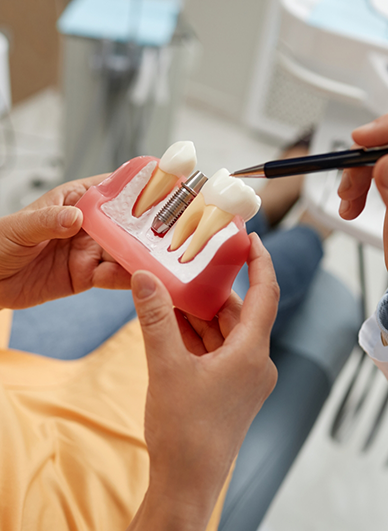
When you first look at a dental implant, you might think it looks just like a screw. Technically, that is what it is – a titanium screw that works just like a natural tooth root. Its placement within the jawbone and biocompatibility make it possible to fuse with the bone tissues to create a stable base for your new tooth or set of teeth. As the only root-to-crown restorative solution available, dental implants are viewed as the gold standard among oral healthcare professionals.
The 4-Step Dental Implant Process
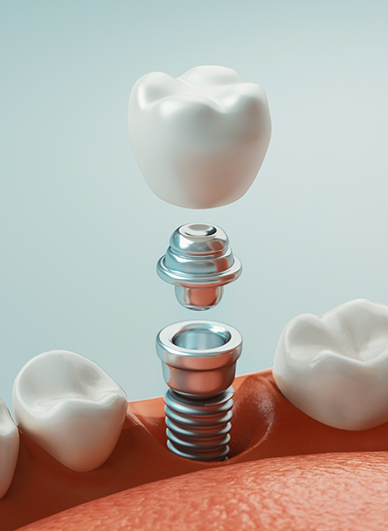
Each person’s dental implant process will be different; however, the same four steps are used to make sure that these new teeth have the best chance for success. To receive dental implants, you will be required to undergo a scheduled consultation, dental implant surgery, a healing period of three to six months, and the delivery of the final restoration. In the end, you will be able to fully embrace a newer, healthier, and more attractive smile.
Benefits of Dental Implants

From day-to-day benefits that make eating and general life easier to better oral health and the ability to enjoy a smile that can last decades or a lifetime, it’s impossible to deny the countless advantages that come with permanent prosthetics. Whether it’s your improved facial appearance thanks to continuous jawbone stimulation or easy-to-maintain teeth that require no special products or instruments, these are just a few of the benefits you can expect when choosing dental implants.
Understanding the Cost of Dental Implants
When it comes to replacing lost teeth with dental implants, you truly do get what you pay for. Dental implants aren’t just prosthetic teeth: they’re an important long-term investment in your health, confidence, and quality of life.
Because dental implants are a highly customized treatment, prices can vary dramatically depending on your individual needs. We want you to feel confident in your decision, so it is our mission to ensure that you always have an estimate of the total cost of dental implants in Woodside before any work begins. We will also do everything we can to make your treatment as affordable as possible.
At Woodside Dental Care, we understand that dental implants are more expensive than other options, but we also know that their benefits are well worth the investment. In fact, because they’re likely to last a lifetime, they could easily be the most cost-effective option overall!
Preliminary Treatments & Dental Implant Surgery
Preliminary treatments like gum disease therapy, tooth extractions, and bone grafting will add to the cost of your dental implant treatment. Although it’s true that these do add to the total price, if they are being recommended by your dentist it is because they’re vital for maximizing the success of your new smile. Thankfully, many are at least partially covered by some dental insurance plans.
Dental implant surgery will incur its own, separate cost, and can vary depending on where the implants are being placed in the jaw as well as what type of sedation you’ll need. Because we conveniently provide your entire dental implant treatment in-house, you needn’t worry about working with an outside surgeon or paying a separate party for surgery.
The Parts of Your Dental Implant
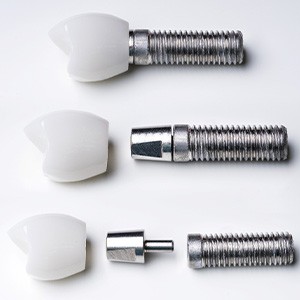
There are several different parts that comprise your dental implant treatment, each of which will influence your total cost:
- The number of dental implants: One dental implant to replace one missing tooth will cost less than four to six dental implants for an implant denture, but an implant denture will cost less than replacing an entire arch of teeth individually.
- The type of restoration: Crowns, bridges, and dentures each cost different amounts. Generally, the smaller the prosthetic, the less expensive.
- The size or material of the implant: Some dental implants are made longer or shorter, depending on where they’ll need to be placed within the jawbone. Some are made of zirconia instead of titanium.
- The brand of dental implant: Much like smartphones or cars, different manufacturers make dental implants to suit the unique needs of specific customers.
How Dental Implants Can Save You Money
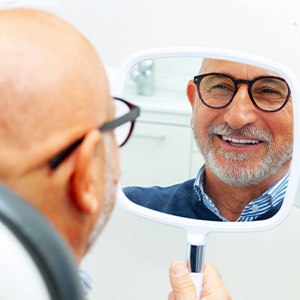
In many cases, patients are initially tempted to choose dentures or dental bridges to replace their missing teeth due to their lower initial price. However, the one-time cost of dental implants is often the more cost-effective choice overall. That’s because unlike with dentures and bridges, you won’t need to pay for replacements or adjustments every five to ten years, nor will you need to invest in special pastes, adhesives, or soaks to keep them in good condition.
What’s more, since your dental implants won’t wear down your remaining teeth or irritate your gums, they’ll help you prevent issues like gum disease, tooth decay, and jawbone deterioration as well as their associated treatment costs. Studies have even shown that good oral health can lower your risk of a variety of dangerous systemic issues and the cost of treating them, too!
Does My Dental Insurance Cover Dental Implants?

While most dental insurance companies won’t cover dental implants, there are sometimes exceptions. Our team will carefully review the details of your dental insurance plan and maximize your benefits. Portions of your treatment may be covered such as a percentage of the final restoration or your preliminary procedures.
Making Dental Implants Affordable

In addition to welcoming dental insurance, at Woodside Dental Care, we are proud to accept flexible financing plans through our preferred third-party lender, CareCredit. This program allows you to break up the cost of your dental implant treatment into multiple, low-to-no interest monthly payments that may be better suited to your budget.
Dental Implant Post-Op Instructions
Dental implants are the best tooth replacement option out there. Thanks to their ability to replace the roots of the missing teeth, they allow for a wide range of benefits that you can’t get from dentures or dental bridges. To achieve this, getting dental implant requires a multi-step process, including a surgical procedure. We will provide you with post-op instructions so you can heal quickly and effectively. Here’s what they may look like.
What to Do Directly After Dental Implant Surgery

The most important part of dental implant recovery is to not disturb the blood clot located at the surgical site. This clot is necessary for the area to heal properly. Here are some things that you should avoid to keep this clot in place.
- Spitting: Swallow your saliva or use a tissue.
- Straw: The suction of the straw can dislodge the blood clot.
- Smoking: Don’t smoke following your procedure.
- Touching: Keep your tongue and fingers away from the surgical site.
Common Side Effects When Recovering from Dental Implant Placement

Side effects are common after dental implant placement surgery. Here are some that you may experience:
- Bleeding: Minor bleeding during the recovery period is common. This can be reduced with clean gauze and light pressure.
- Inflammation: For the first 72 hours following your procedure, you may have some swelling. You can lessen this with a cold compress.
- Discomfort: Soreness is common following dental implant placement. This can be managed with over-the-counter pain relievers.
Your Diet After Dental Implant Surgery

Following your procedure, it’s a good idea to stick to softer foods so you don’t aggravate the surgical site. Here are some suggestions.
- Scrambled eggs
- Mashed potatoes
- Pasta
- Soup
- Oatmeal
- Applesauce
- Yogurt
- Pudding
- Ice cream
Post-Op Health & Oral Hygiene

On the day following your surgery, brush your teeth and floss as you normally would. Just be especially careful to avoid the dental implant site. To clean this area, gently rinse your mouth with salt water after meals. When you choose a mouthwash, pick one that doesn’t contain alcohol, as alcohol can irritate the surgical site, causing discomfort.
What to Do After Your New Teeth Are Attached

Once your replacement teeth have been secured to the dental implant, the hard part is complete! You may experience some minor sensitivity as you adjust to your replacement teeth, but this should be easy to manage at home. At this point, you shouldn’t run into any swelling, bleeding, or extensive recovery. If you have concerns or questions about post-op care, let us know so we can assist you!
Maintaining & Caring for Your Dental Implants
Your beautiful new dental implants have the incredible potential to keep your smile complete, strong, and healthy for a lifetime- but only as long as you take care of them! If you don’t protect your new prosthetics from things like damage and infection, they could fail or need replacement. The good news, however, is that with just a few simple precautions and healthy habits, your newly rebuilt smile could last the rest of your life!
Make Oral Hygiene a Priority

Although your dental implants can’t get cavities, any remaining natural teeth still can. Dental implants also cannot prevent things like gum disease, which is a leading cause of prosthetic failure. Thus, it is still essential that you maintain a solid, at-home oral hygiene routine as part of your dental implant care in Woodside.
Eat a Healthy Diet

One of the best things about dental implants is that they can be used to enjoy a full, nutritious diet. However, be sure to avoid overindulging in anything too hard, sticky, or sugary. Instead, choose foods that are rich in calcium and vitamin C to keep your jawbone strong and gum tissues healthy.
Break Bad Habits

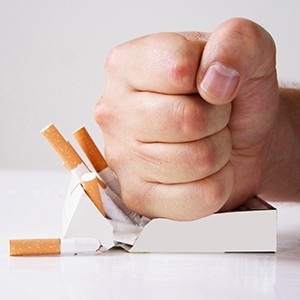
Bad habits can cause dental implant damage or failure. If you smoke or use tobacco products, it is important to quit, as this can slow down the healing process and increase the risk of infection. Don’t use your teeth (real or prosthetic) as tools, and never chew on hard objects, as these can damage your restorations.
Protect Your Dental Implants
Although your dental implants are strong, they’re not indestructible. If you play sports, be sure to wear a mouthguard to protect your dental implants. If you grind your teeth, talk to your dentist about having a custom night guard made to protect your dental implants from excess wear and tear.
Schedule Regular Dental Checkups
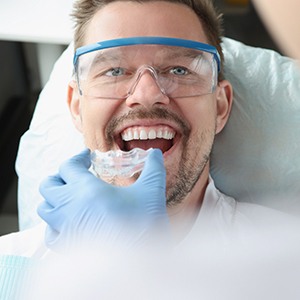
Even if you have no remaining natural teeth, it is still important to visit us every six months for your regular, preventive exams and cleanings. These visits are our opportunity to make sure you are still enjoying your new smile, as well as our chance to monitor the implants and spot any issues as early as possible.
Dental Implant FAQs
How Successful Are Dental Implants?
One of the many perks of choosing dental implants is their high success rate (over 95%). Maintaining them is easy too since you basically take care of them the same way you do your natural teeth, like brushing, flossing, and rinsing with mouthwash consistently. It’s also important that you come to our Woodside dental office every six months so we can routinely look for warning signs of failure, and, if necessary, intervene with the restorative care needed ASAP.
Am I Too Old to Get Dental Implants?
If you’re in your 60s, 70s, or 80s, you might be wondering if the ship has sailed on having a complete, strong, and healthy smile. That’s not the case! After all, candidacy for dental implants isn’t determined by age. Instead, factors like the density of your jawbone, the health of your gums, and your commitment to breaking unhealthy habits, like smoking, need to be considered. Ultimately, if you are struggling with tooth loss, and you’re interested in getting dental implants, you shouldn’t hesitate to schedule a consultation with us so we can review your tooth-replacement options more in-depth.
Can I Get Dental Implants If I Smoke?
Smoking negatively impacts the dental implant treatment process in more ways than one, which is why patients who use tobacco products typically aren’t candidates. Of course, there are a few exceptions. At the very minimum, patients need to quit for two weeks prior to the procedure and for three months afterward to reduce the risk of dry sockets, delayed healing, and implant failure.
Do Dental Implants Feel Natural?
They do! This is largely due to the fact that they are anchored to your jawbone, which ensures that they don’t move out of place as you go about your day. The restoration attached on top is also custom-made just for you, preventing it from feeling unnatural in any way.
Is There Anything I Shouldn’t Eat with Dental Implants?
Actually, yes! We recommend avoiding (or, at the very least, exercising caution with) taffy, peanut brittle, hard pretzels, caramel-filled candies, and other foods that have the potential to damage your restoration or pull it out of place. Instead, focus on filling your plate with foods that help keep your smile healthy, like cooked carrots, plain yogurt, and scrambled eggs.
What Should I Do If I Can’t Afford Dental Implants?
If you are concerned that the cost of dental implants will be too high, then don’t hesitate to ask us about the financial solutions we welcome! In addition to working with many of the nation’s leading dental insurance providers, including Aetna and Ameritas, we are happy to accept flexible financing with CareCredit and extend periodic special offers. We’ll also be here to answer any questions you have throughout the process, ensuring that it’s as seamless and stress-free as possible.